5 Signs It’s Time to Service or Replace Your Submersible Pump
Submersible pumps are designed to operate in demanding environments, but even the most reliable pump systems will eventually experience wear and performance issues. Over time, factors such as long operating hours, abrasive materials, mineral-heavy water, corrosive fluids, and changing site conditions can affect pump efficiency and reliability.
Regular submersible pump maintenance helps identify problems early, reduce unexpected downtime, and extend equipment lifespan. However, there are times when servicing a pump may no longer be the most cost-effective option, and replacement should be considered. Understanding the warning signs of pump failure can help operators make informed decisions before a minor issue becomes a major breakdown.
1. The Impeller Shows Signs of Wear or Damage
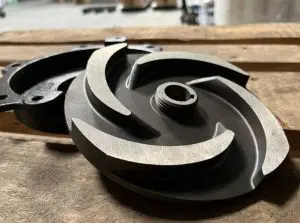
The impeller is one of the most important components for a submersible pump. It is responsible for transferring energy from the motor into the pumped liquid, creating the required flow and pressure.
During inspection, if the impeller condition has noticeably changed since installation, it may indicate that the pump is experiencing excessive wear. Common causes include:
- Pumping abrasive solids that are damaging internal components
- Operating outside the recommended pump performance curve
- Pumping liquids that are incompatible with the pump materials
- Excessive cavitation or operating conditions that place additional stress on components
A worn impeller can reduce pump performance and decrease flow rates. In some cases, replacing the impeller may restore performance. However, if the damage is caused by the application itself, the entire pump selection may need to be reviewed.
For example, pumping corrosive liquids with unsuitable materials may result in repeated failures. In these situations, selecting a pump manufactured with corrosion-resistant materials may provide a more reliable long-term solution.
2. Changes in Motor Current (Amp Draw)
Monitoring the electrical current drawn by a submersible pump can provide valuable information about its operating condition.
If the amp reading is significantly different from the expected value, it may indicate a problem within the pump or the overall pumping system.
Possible causes include:
- Blockages within the pump or discharge pipework
- Changes in the pumping system causing the pump to operate away from its designed performance range
- Incorrect pump rotation direction
- Mechanical issues affecting motor performance
Before replacing a pump, the wet end of the pump should be inspected for debris, blockages, or damage. If no issues are found, the discharge system should be checked for restrictions further along the pipeline.
Changes in amp draw do not always mean the pump requires replacement. Often, identifying and correcting the underlying cause can restore normal operation.
3. Reduced Flow Rate
A noticeable reduction in water flow is one of the most common signs that a submersible pump may require attention.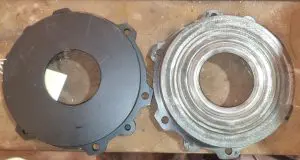
Reduced flow can occur for several reasons, including:
- A worn impeller
- A damaged suction cover
- Blockages within the pump or pipework
- Changes in the operating conditions of the system
When a pump no longer delivers the expected flow rate, it can impact the efficiency of the entire application. In industrial, mining, construction, and wastewater environments, reduced pumping capacity can lead to delays, increased operating costs, and potential production issues.
A pump inspection can help determine whether the issue can be resolved through maintenance or whether replacement should be considered.
4. Incorrect Head Pressure
Pump head pressure is a critical factor in ensuring a pumping system operates correctly. If the available head pressure reduces, it affects the relationship between pressure and flow, potentially causing the pump to operate outside its intended conditions.
A reduction in head pressure may result in:
- Increased flow rates
- Motor overload
- Reduced pump efficiency
- Increased risk of cavitation
Cavitation occurs when vapour bubbles form and collapse inside the pump due to incorrect operating conditions. This can damage internal components, including impeller and pump surfaces, and significantly reduce pump lifespan.
If measured head pressure does not match the expected operating conditions, the pump system should be assessed to identify whether the issue is caused by pump wear, installation changes, or incorrect application requirements.
5. Excessive Vibration During Operation
Some minor vibration is normal during pump operation, but excessive vibration should never be ignored. It can be an early warning sign of mechanical problems that may lead to major failures.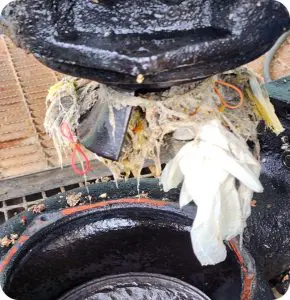
Possible causes of excessive pump vibration include:
- Damaged or bent shafts
- Bearing failure caused by overheating or insufficient lubrication
- Impeller imbalance
- Blockages in the pump or discharge system
- Operating outside the recommended pump curve
A damaged shaft or failing bearing can cause significant internal damage if the pump continues operating. Similarly, an unbalanced impeller can reduce efficiency and place additional stress on seals, bearings, and other components.
If abnormal vibration is detected, the pump should be inspected by a qualified technician to determine the cause and prevent further damage.