
Why One Pump Material Does Not Suit Every Application
Different pumping environments place different demands on equipment. A pump transferring relatively clean water at a construction site will not require the same material protection as a pump handling sewage particles, corrosive wastewater or abrasive mining slurries. The wrong selection can result in:
- Premature wear of impeller and wear components
- Corrosion of pump components
- Reduced pumping performance
- Increased service requirements
- Unexpected equipment downtime
Selecting the appropriate construction materials ensures the pump is designed to withstand its operating environment, helping to improve reliability and extend operating life.
Matching Pump Materials to Common Applications
Wastewater and Sewage Applications 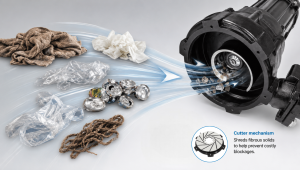
Wastewater environments can be challenging due to solids, chemicals and biological contaminants. Pump materials need to withstand:
- Corrosive liquids
- Organic matter
- Long operating periods
- Blockage risks
Cast iron, stainless steel and specialized components are commonly selected depending on the wastewater characteristics. For applications involving fibrous materials or difficult solids, features such as cutter or grinder mechanisms, or specialized impellers may also be required.
Seawater and Marine Applications 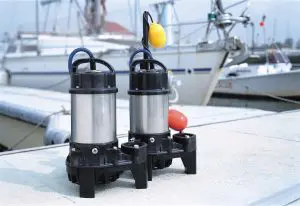
Saltwater is highly corrosive and requires careful material selection for a pump. Standard materials deteriorate quickly when exposed to marine environments. Materials such as titanium and stainless steel are commonly selected because of their excellent resistance to corrosion or seawater. Applications include:
- Aquaculture
- Marine systems
- Saltwater transfer
- Coastal infrastructure
Choosing seawater or corrosion-resistant materials helps maximize service life and reduce replacement costs.
Construction and Dewatering Applications
Construction sites commonly require pumps for removing groundwater, stormwater and sediment-laden water. While these applications may not be as aggressive as mining, pumps are often exposed to:
- Sand and sediment
- Continuous operation
- Variable water conditions
Cast iron pumps are commonly used due to their strength, durability and suitability for heavy-duty site conditions. For applications involving abrasive material, upgraded wear-resistant components may be required.
Chemical and Industrial Processing Applications 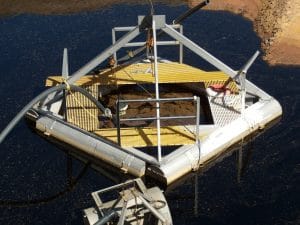
Industrial applications often involve liquids with specific chemical properties that can attack conventional pump materials. When selecting a pump for chemical applications, considerations include:
- Chemical composition
- Temperature
- Liquid concentration
- Exposure duration
Materials must be compatible with the pumped liquid to avoid premature degradation and maintain reliable operation.
It Is Not Just the Pump Casing That Matters
When selecting materials, it is important to consider all components exposed to the pumped liquid. A pump may have a corrosion-resistant casing, but if the wear components are unsuitable, performance and reliability are affected. Critical components include:
- Pump casing
- Impeller
- Wear plates
- Fasteners
Importance of Considering Total Operating Life
The cheapest initial option is not always the most economical choice. A pump built with unsuitable materials may require:
- More frequent servicing
- Replacement parts
- Additional labour
- Production interruptions
Selecting materials based on the actual application can improve reliability and reduce the total cost of ownership.
Questions to Ask Before Choosing a Pump
Before selecting a submersible pump, ask:
- What liquid is being pumped?
- Does it contain abrasive solids?
- Is corrosion or seawater exposure a concern?
- Are chemicals present?
- Will the pump operate continuously or intermittently?
Understanding these factors helps ensure the pump is matched to the application, while still selecting based on capacity requirements.
Conclusion
The right pump material can make the difference between reliable long-term operation and frequent maintenance issues. Whether pumping abrasive slurry in mining, wastewater in municipal applications, or corrosive liquids in industrial environments, selecting materials suited to the application is essential. By matching pump materials to operating conditions, businesses can improve reliability, reduce downtime and extend equipment life. If you’re unsure which pump materials are best suited to your application, the team at Tsurumi Pump Australia can help. We will recommend a pump designed for your operating environment to maximize reliability, minimize maintenance and deliver long-term performance.