
Maintenance Tips for Submersible Pumps
Submersible Pumps play a critical role across mining, construction, wastewater, and industrial applications, so keeping them in good working order is essential. A well-maintained pump reduces downtime, lowers running costs, and delivers consistent performance year after year.
Tsurumi pumps are engineered for durability and reliability in demanding environments, but even the toughest equipment benefits from routine care. Regular inspections, proper operating practices, and targeted servicing of components such as impellers, seals, and electrodes help ensure your Tsurumi pump continues to perform at its best over the long term.
Understanding how these systems operate and how to maintain them correctly allows operators to get the maximum return from their pumping equipment.
Regular Maintenance and Inspection
Routine maintenance is one of the most effective ways to extend the life of any pump. Scheduled checks help identify wear or developing issues before they lead to unexpected failures or costly downtime.
When a pump is properly maintained, it runs more efficiently, draws less power, and delivers more consistent flow. For Tsurumi pumps, this means improved reliability on site and a lower total cost of ownership over the unit’s life.
Regular maintenance also supports safer working conditions by reducing the risk of mechanical or electrical faults.
Inspection Schedule
Monthly Insulation Resistance Check
Insulation resistance should be checked monthly to ensure it remains above 1MΩ. This helps protect the motor and electrical components from damage and maintains safe operation.
Half-Yearly Oil Inspection
The oil should be inspected every six months. Look for signs of contamination or breakdown, as degraded oil can reduce lubrication and compromise the mechanical seal.
Performance Monitoring
Ongoing performance checks are important. If output drops by more than 15 per cent compared to normal operation, the pump should be inspected without delay.
Specific Maintenance Recommendations
Oil Maintenance
Replace the oil every 12 to 24 months. If the oil becomes milky, this usually indicates that the mechanical seal needs replacing.
Component Replacement
Components such as packing, O-rings, V-rings, shaft sleeves, and mechanical seals should be inspected regularly and replaced as required, typically every two years.
Bar Screens
For pumps fitted with bar screens, check for sediment buildup, listen for unusual noise, monitor motor temperature, and clean the bars as needed.
Bearings, chains, supporting bars, and rakes should be inspected every one to three years, depending on usage and operating conditions.
FSP Models
Oil should be checked every 1500 hours or six months, and changed every 3000 hours or 12 months. Mechanical seals should be replaced annually.
BER Models
The ejector and air inlet system should be checked monthly to ensure they remain clear and operating correctly.
 General Maintenance Frequency Guidelines
 General Maintenance Frequency Guidelines
Weekly: A short visual and operational check, around 5 to 10 minutes
Monthly: A more detailed inspection, also around 15 to 30 minutes
Annually: A full service taking around two to three hours, including greasing and performance recording
Every two years or 10,000 hours: A detailed inspection and service taking six to eight hours
Submersible pumps and other critical systems should generally be serviced every six months to maintain reliability.
These timeframes are a guide only and should be adjusted based on site conditions, duty cycles, and how critical the pump is to operations.
Operational Guidelines
Correct operation plays just as big a role as maintenance in extending pump life.
Running the Pump Regularly
Even if a pump is permanently installed, it should be run regularly to prevent internal components from seizing or degrading. Pumps that are not in constant use should be operated at least once a week.
Operating Within the BEP Range
Tsurumi pumps should be operated within 20 per cent of their Best Efficiency Point. Running too far outside this range increases stress on the impeller and internal components.
Performance Monitoring
If performance drops by more than 15 per cent, the pump should be checked for blockages, wear, or electrical issues.
Voltage and Amperage Monitoring
Daily monitoring of voltage and current draw helps identify early warning signs of electrical or mechanical problems.
Handling and Usage
When lifting a pump, always use the designated lifting points or handles. Never lift a pump by its cable, as this will cause internal electrical damage.
Water levels should always be maintained at or above the Continuous Running Water Level to ensure proper cooling and lubrication.
If a pump will be stored for an extended period, it should be removed, cleaned, dried, and stored indoors. Every year, the shaft should be rotated and checked for oil leaks.
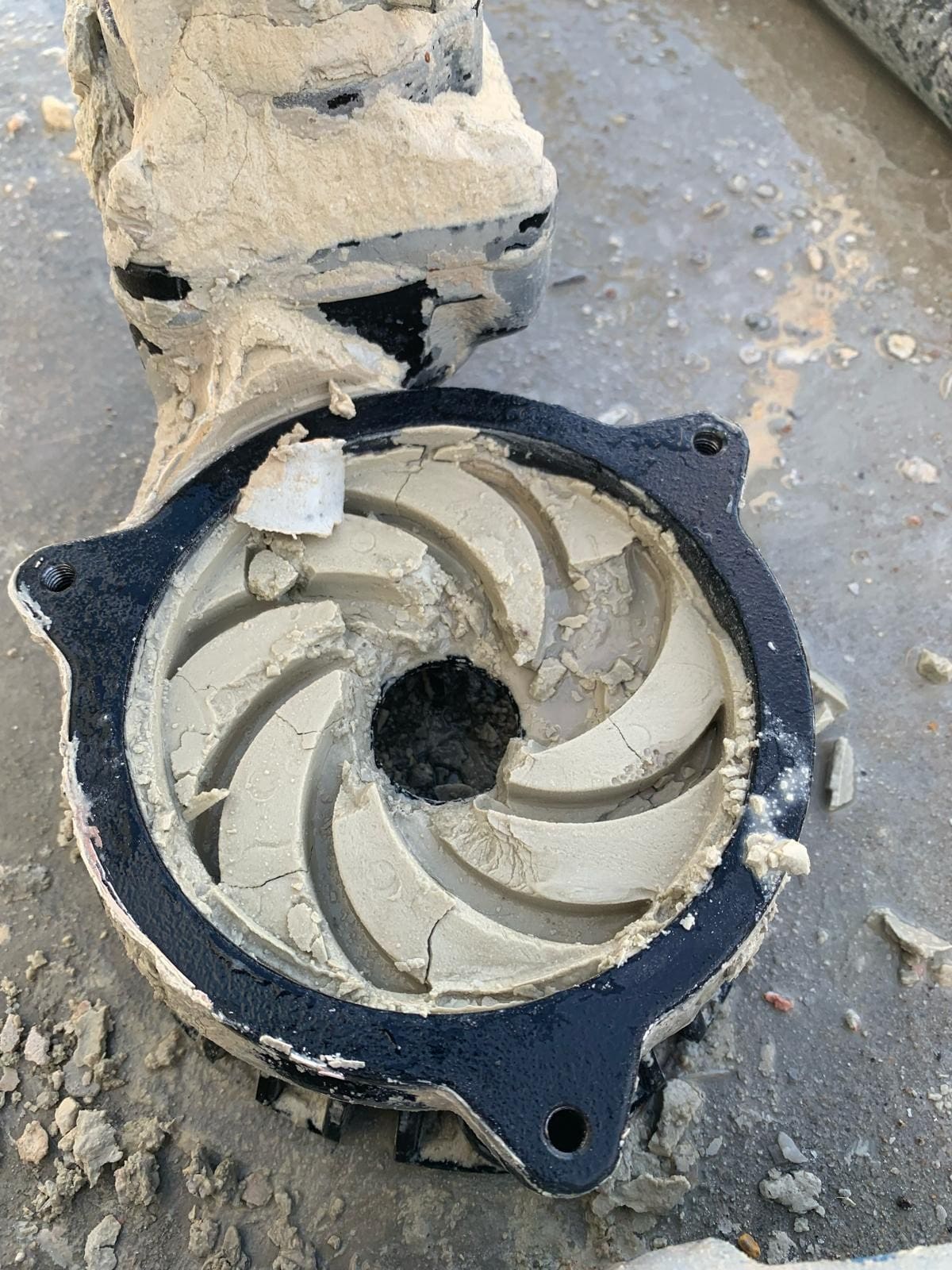
The impeller should be kept free of debris, and the pump should always be operated within its recommended performance curve.
Electrodes should be cleaned periodically, as dirt or buildup can interfere with automatic operation.
Whenever the pump is disassembled, seals and packing should be replaced to maintain watertight integrity.
Component Specific Maintenance
Tsurumi pumps are designed for long service life, but key components still require attention.
Overhaul and Replacement
A full overhaul is recommended every three to five years, even if the pump appears to be operating normally.
Mechanical seals should be replaced every two years or earlier if oil contamination is detected. Seals, o-rings, and shaft sleeves should also be replaced whenever worn.
Impeller Care
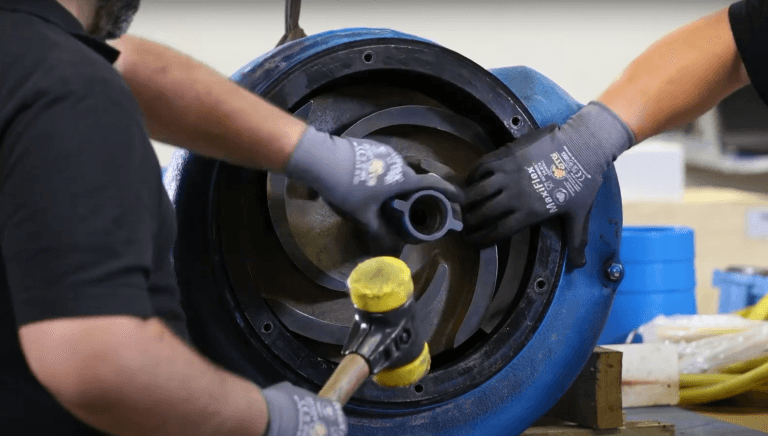
The impeller should be inspected regularly and cleared of debris. Operating within the correct pump curve reduces wear and maintains efficiency.
Electrode Care
Electrodes should be cleaned and checked for correct operation to ensure reliable start and stop control.
Long-Term Storage and Inactivity
Before storing a pump, clean it thoroughly and inspect for wear or damage. Drain any fluids, apply protective lubricant to exposed metal surfaces, and store the pump in a dry, covered area.
Every year, rotate the shaft and check for oil leaks. Seals and gaskets should also be inspected and replaced if they show signs of deterioration.
Even during storage, periodic visual inspections help prevent corrosion and ensure the pump is ready when needed.
Specialised Product Maintenance
Bar Screens
Regular cleaning prevents solids from building up. Motor temperature should remain below 80°C. Bearings, chains, and moving parts should be inspected every one to three years.
FSP Models
Oil should be checked every 1500 hours or six months, and changed every 3000 hours or 12 months. Mechanical seals should be replaced annually.
BER Models
The ejector and air inlet system should be inspected monthly to ensure reliable operation.
Emergency Preparedness
Keeping a spare pump on site is one of the best ways to minimise downtime. A ready-to-use backup allows operations to continue while the main unit is serviced or repaired.
Routine test runs and inspections of the spare pump ensure it is always ready for immediate use.
Adhering to Manuals and Maintenance Plans
Always follow the operating and service manuals supplied by Tsurumi. These provide model-specific guidance on safe operation, maintenance intervals, and troubleshooting.
Maintenance schedules should also be adjusted to suit site conditions, fluid type, and duty cycles. A tailored approach ensures the pump receives attention when needed, without unnecessary servicing.
Troubleshooting and Performance Issues
Changes in flow, vibration, noise, or power consumption often indicate developing issues. Comparing current performance to baseline data makes it easier to spot problems early and take corrective action.
Monitoring voltage and amperage daily also helps identify electrical faults before they affect pump reliability.
Conclusion
Effective pump maintenance is built on regular inspections, correct operation, and targeted servicing of critical components. For Tsurumi pumps, this approach delivers long-term reliability, reduced downtime, and lower operating costs.
By following these guidelines, operators can keep their pumping systems running efficiently and protect their investment for years to come.