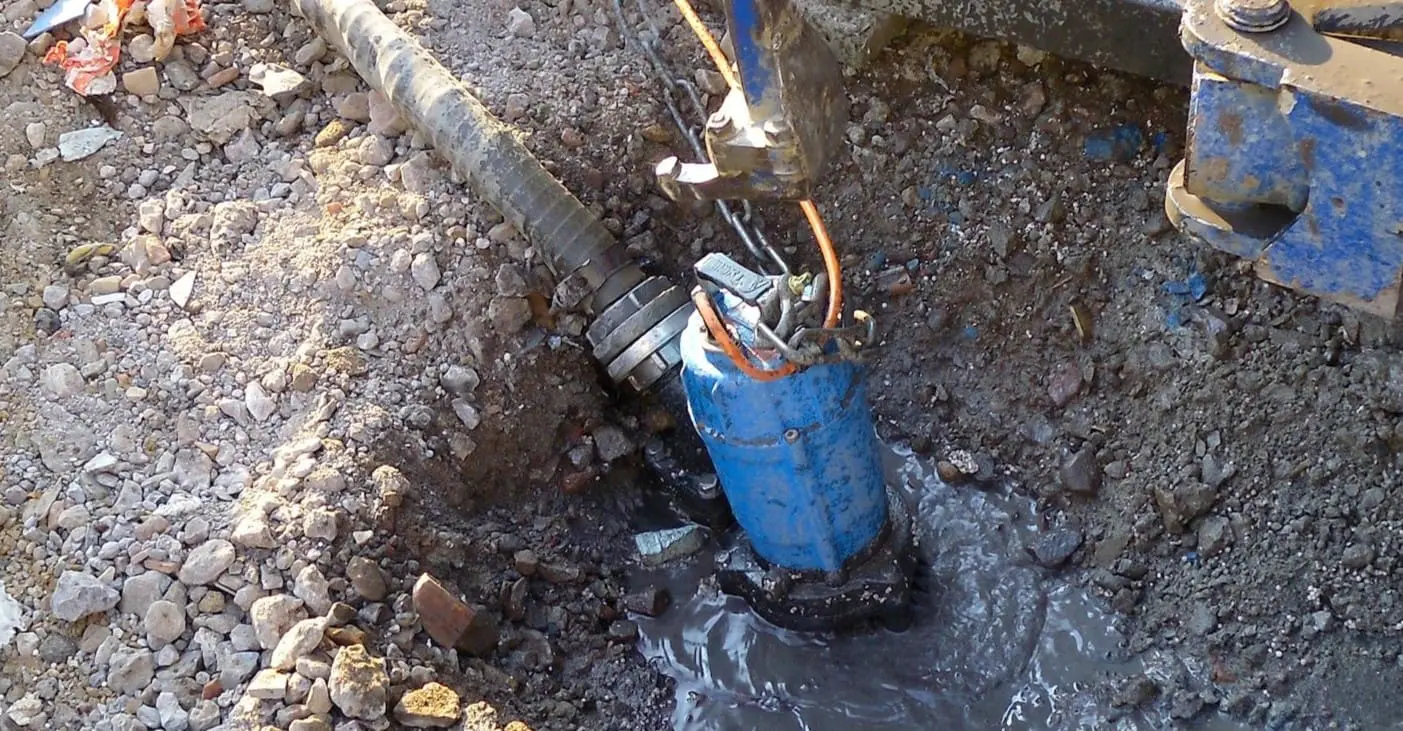
Submersible pumps are designed to operate in some of the harshest environments across mining, construction, sewage, wastewater and industrial applications. From abrasive slurries to corrosive liquids and demanding duty cycles, pumps are constantly exposed to conditions that can shorten their life if mismanaged.
With proper pump selection, installation and maintenance, you can significantly extend the lifespan of your equipment, reduce downtime and lower operating costs.
Industry studies suggest that up to 60% of pump failures are linked to improper maintenance or operating conditions. By following a few key best practices, users can improve reliability and maximize long-term performance.
1. Select the Correct Pump for the Application
One of the most important factors in extending pump life begins before installation. Choosing the right pump for the application ensures the unit can handle the required flow, head, solids handling and operating environment. Using an undersized or oversized pump can lead to excessive wear, overheating, vibration and unnecessary energy consumption. Consider factors such as:
- Type of liquid being pumped
- Presence of abrasive solids or sludge
- Required flow rate and head
- Available power supply
- Continuous or intermittent duty requirements
- Chemical compatibility and corrosion resistance
In abrasive applications such as mining or quarry dewatering, pumps manufactured with high-chrome cast iron components offer improved resistance to wear caused by solids and sediment. You can read our related article on selecting a pump.
2. Operate the Pump Close to Its Best Efficiency Point (BEP)
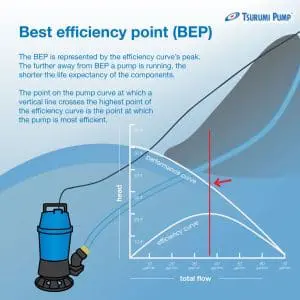
Operating a pump near its Best Efficiency Point (BEP) reduces stress on internal components and improves overall efficiency.

When pumps operate too far from their optimal performance range, they can experience:
- Increased vibration
- Excessive bearing and seal wear
- Higher energy consumption
- Reduced hydraulic efficiency
- Premature component failure
Assessing your site’s available power supply and ensuring the pump is correctly matched to the system can greatly improve operational lifespan while also lowering running costs.
You can read our related article on understanding pump Best Efficiency Point (BEP).
3. Prevent Dry Running and Maintain Proper Submergence Levels
Dry running is one of the quickest ways to damage a submersible pump. Submersible pumps rely on the surrounding liquid for motor cooling, so operating without sufficient liquid will lead to overheating, seal failure and eventual motor damage.
Maintaining adequate submergence is essential to ensure reliable operation and long service life. If water levels fall below the recommended Continuous Running Water Level (C.W.L.), motor temperature can rise rapidly, mechanical seals may fail prematurely and internal components can be damaged. To help prevent dry running and low water level operation:
- Use float switches or electrodes
- Use automatic control systems
- Regularly monitor water levels
- Ensure operators understand minimum operating conditions
- Follow manufacturer recommendations for minimum submergence levels
4. Inspect and Maintain Wear Components Regularly
Even when a pump appears to be operating normally, internal wear may still be occurring. Routine maintenance inspections are critical for identifying early signs of damage before they lead to costly failures or unplanned downtime. Key components to inspect include:
- Impeller
- Suction Cover
- Power cables
- Mechanical seals
- Bearings
- Oil chamber
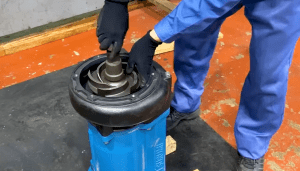
Regular inspection and replacement of wear components helps maintain pump efficiency and prolongs equipment life. Keeping accurate service records can also help identify recurring issues and optimize maintenance intervals. You can read our related article on maintenance tips.
5. Use Pumps Designed for Harsh Environments
In industries such as mining, wastewater and industrial processing, pumps are exposed to highly abrasive or corrosive conditions. Selecting pumps with advanced durability features can significantly improve lifespan and reduce maintenance requirements. Some important durability technologies include:
Abrasion-Resistant Materials: High-chrome cast iron components provide superior resistance against wear caused by sand, slurry and solids.
Advanced Impeller Designs: Semi-open and channel impellers help reduce clogging while maintaining efficient solids handling performance.
Oil Lifter Technology: Tsurumi’s patented Oil Lifter technology helps maintain lubrication and cooling of mechanical seals, improving long-term seal reliability even under demanding conditions. Learn more about this pump feature.
Read our related article on the importance of pump material & key considerations.
6. Protect the Power Cable
Power cable damage is a common but often overlooked cause of pump failure. Cables can become damaged through:
- Abrasion
- Crushing
- Improper lifting practices
- Excessive bending or tension
- Exposure to sharp edges
Never lift or lower a pump using the cable. Always use designated lifting points or chains and ensure cables are properly secured during operation. Damaged cables can lead to electrical faults, current leakage and safety hazards.
Conclusion: Extend Pump Life With Proper Operation and Maintenance
Submersible pumps are a major investment, particularly in demanding industrial environments. Proper pump selection, installation and routine maintenance can dramatically improve reliability and reduce long-term operating costs. By operating pumps near their Best Efficiency Point, preventing dry running, maintaining wear components and using pumps engineered for harsh applications, operators can significantly extend equipment lifespan and minimize downtime.
At Tsurumi Pump Australia, our range of submersible pumps is engineered for durability, efficiency and reliable performance across mining, sewage, wastewater, construction and industrial applications. Contact us for technical assistance or a quotation.