Common Submersible Pump Myths That Could Be Costing You Time and Money
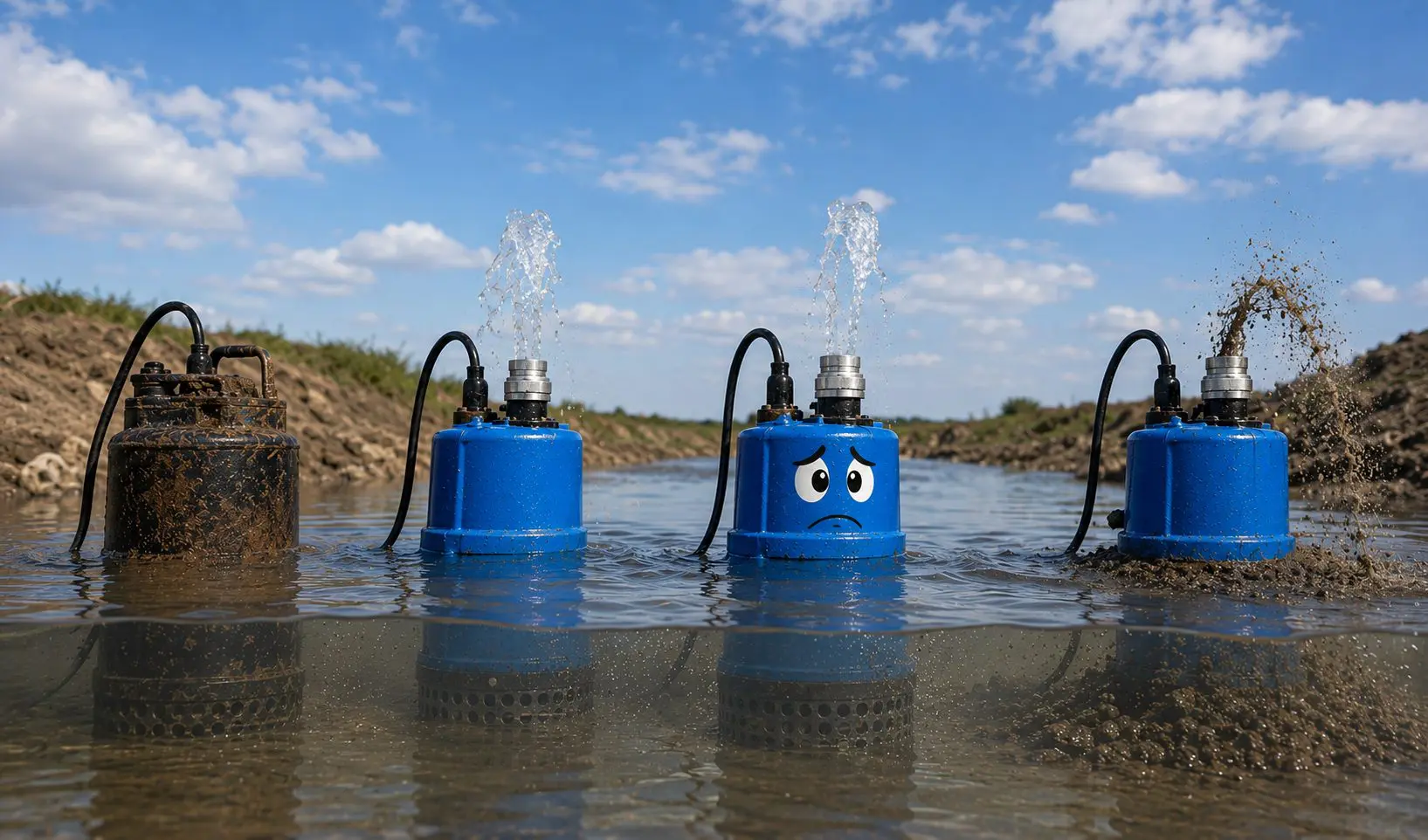
Selecting the right submersible pump is critical to achieving reliable performance, minimizing downtime, and reducing operating costs. Yet many misconceptions about pump performance continue to influence purchasing decisions and maintenance practices across industries such as construction, mining, wastewater, municipal infrastructure, and industrial processing. Believing these myths can lead to premature equipment failure, higher energy consumption, unnecessary maintenance, and increased lifecycle costs.
Let’s separate fact from fiction and examine three of the most common myths surrounding submersible pump performance.
Myth 1: Bigger Motor Mean Better Performance
One of the most common misconceptions is that a larger motor automatically delivers better pumping performance. In reality, pump performance is determined by matching the pump’s operating characteristics to the application’s requirements. Factors such as flow rate, total dynamic head, solids handling requirements, and duty cycle all play a significant role in selecting the correct pump.
An oversized pump can actually create several problems:
- Increased energy consumption
- Reduced operating efficiency
- Higher operating costs
- Excessive wear on components
- Potential for hydraulic instability
The most efficient pumping system is one that operates close to its Best Efficiency Point (BEP). Proper pump selection ensures optimal performance while minimizing energy use and maintenance requirements. When selecting a pump, focus on the application requirements rather than simply choosing the largest kW motor available.
Myth 2: If the Pump Is Running, It’s Working Properly
A pump that starts and runs is not necessarily performing efficiently. Many pumping systems gradually lose performance over time due to wear, blockages, changing operating conditions, or system modifications. Because this degradation often occurs slowly, it can go unnoticed until significant issues develop. Common indicators of declining pump performance include:
- Reduced flow rates
- Increased energy consumption
- Frequent clogging
- Excessive vibration
- Unusual noise
- Increased maintenance requirements
Regular monitoring and inspection are essential to maintaining optimal pump performance. Operators should routinely check:
- Flow rates
- Head pressure
- Power consumption
- Impeller and mechanical seal condition
- Wear components
Preventive maintenance can identify issues before they lead to costly downtime or equipment failure.
Myth 3: All Pumps Handle Solids the Same Way
Not all submersible pumps are designed to handle solids, fibrous materials, or abrasive slurries. Using a standard dewatering pump in an application containing solids can quickly lead to blockages, increased maintenance, and premature failure. Specialized solids-handling pumps are designed specifically to prevent clogging and improve reliability, including:
- Anti-clogging impeller designs
- Wider solids passages
- Agitators for slurry movement
- Abrasion-resistant materials
Each water pump for wastewater, sewage, and slurry applications are engineered to handle specific pumping conditions, which would quickly damage conventional pumps. Selecting the correct pump for the material being handled is one of the most important factors in achieving long-term reliability and minimizing maintenance costs. Some examples are the CZ/BN series pump, GPN series, KTV series, KRS/KRD series, and UZ series.
Beyond the Myths: What Really Drives Pump Performance?
Submersible pump performance is influenced by several key factors beyond motor size and basic operation.

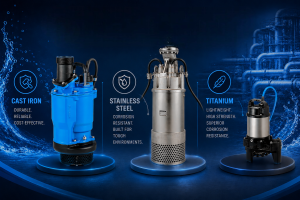
Material Selection: The materials used in pump construction directly affect durability and service life. Applications involving abrasive slurries, corrosive liquids, or aggressive wastewater often require specialized materials such as high-chromium iron, stainless steel, or wear-resistant castings. Learn more about this topic.
Application-Specific Design: The most reliable pumps are designed specifically for their intended application. Whether the requirement is mine dewatering, construction site drainage, sewage transfer, or slurry handling, selecting a purpose-built pump will typically deliver lower lifecycle costs and greater reliability.
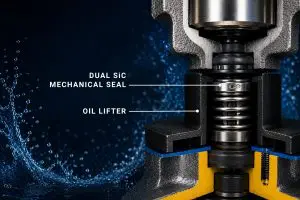
Mechanical Seal Technology: Mechanical seals are one of the most critical components in a submersible pump. Advanced sealing systems help prevent water ingress, protect the motor, and extend equipment life in harsh operating environments. To extend the life of the seals, Tsurumi pumps incorporate an oil lifter in the oil chamber, along with the mechanical seal. Learn more about the oil lifter device.
Choosing the Right Pump for the Job: Understanding the realities of pump performance can help operators make better decisions and avoid unnecessary costs. The right pump selection can significantly improve productivity, reduce downtime, and lower total ownership costs over the life of the equipment. Learn more about selecting the right pump.
At Tsurumi Pump Australia, we partner with customers to ensure their pumping systems deliver optimal performance, long-term reliability, and maximum return on investment.
If you’re unsure whether your current pump is the right fit for your application, our team can help evaluate your requirements and recommend the most suitable solution.